A Simple Test With Big Implications
Getting off the floor seems like a basic task. However, for adults over 40, it is a strong predictor of future independence.
You’re not alone if you’re reading this thinking, “I’d have to push off with my arms or roll to my side.” But here’s the truth: You need to stay mobile, strong, and independent into your 70s and beyond. To do this, you need to be able to get off the floor with minimal assistance.
Let’s explore why this matters—and what you can do about it.
The Floor Rise Test: What It Is and Why It Matters
A large-scale Brazilian study published in the European Journal of Preventive Cardiology introduced a test called the Sitting-Rising Test (SRT). It asks one simple thing:
❝ Sit down on the floor, then get up using as little assistance as possible. Each time you use a hand, knee, or support, you lose a point. ❞
The total score is 10. A score of 8 or higher is associated with greater longevity, fewer falls, and improved independence in older adults.
Why This Test Works
To get off the floor efficiently, your body needs:
- Leg strength
- Core stability
- Joint mobility (especially hips, knees, and ankles)
- Balance and coordination
If even one of these is weak, your movement becomes compensatory—and over time, dangerous. Many older adults don’t realize they’ve lost this ability until they fall and can’t get up.
Signs You May Be Losing the Ability
- You need to use your hands to rise from a chair
- You get out of bed slowly with help from a nightstand
- You hesitate before sitting on the ground
- You avoid activities like gardening, stretching, or playing with kids
This decline happens gradually—until it doesn’t.
How to Improve Your Floor Mobility
Here’s a simple 4-step progression to help rebuild this essential skill:
1. Sit-to-Stand from a Chair (No Hands)
Perform 3 sets of 8–10 reps daily. Use a firm chair and engage your glutes and thighs.
2. Step-Back Lunges or Elevated Split Squats
These build strength and control in your legs and hips. Start with support if needed.
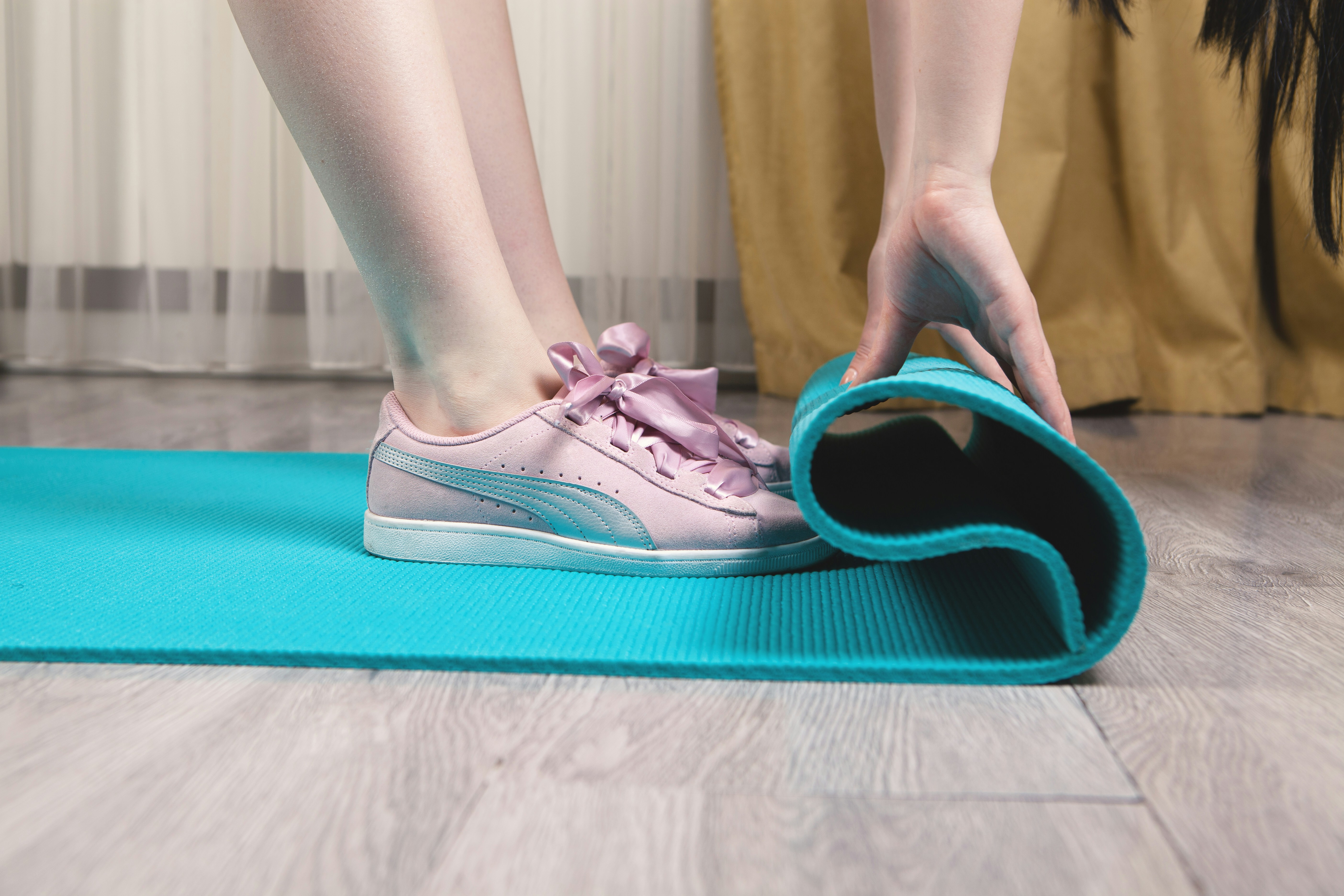
3. Floor Transfers (Use a Mat)
Practice going from standing → seated → standing again. Use cushions or yoga mats for comfort. Do this 2–3x weekly.
4. Balance Work (Eyes Open & Closed)
Practice single-leg standing and shifting your weight side to side. This builds your fall-prevention reflexes. Other options…
Why This Matters More Than Ever
Falls are the leading cause of injury-related death in adults over 65. And many falls become life-threatening not because of the fall itself—but because the person can’t get up afterward.
The ability to rise from the floor isn’t just functional—it’s lifesaving.
✅ Call to Action
Want to know your “floor score”?
Book a Floor Mobility Assessment today.

Jeremy Sutton, PT, DPT, Cert DN
📍 Serving Shreveport, Bossier City, Benton, and Haughton
📞 Call or text: 318-278-0330
🌐 Visit: www.healthysbc.com
📲 Follow us on Facebook: facebook.com/healthysbc